

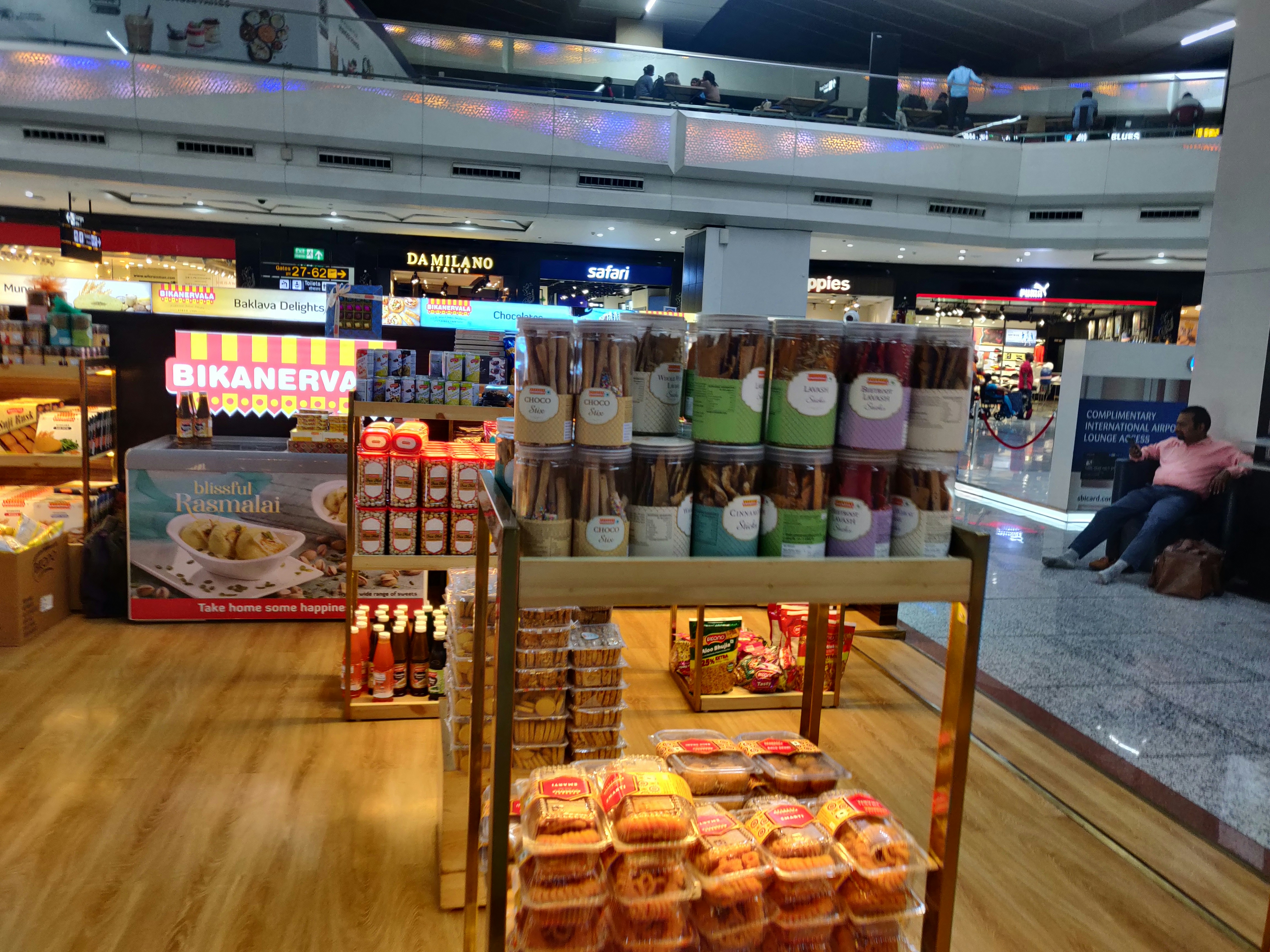
Introduction to Agadir Airport Agadir Airport, officially known as Al Massira Airport (IATA: AGA), serves as a vital gateway to the coastal city of Agadir and the broader Souss-Massa region of Morocco. Located approximately 22 kilometers from Agadir’s city center, this international airport plays a crucial role in connecting domestic and international travelers to one of Morocco’s most popular tourist destinations. The airport’s strategic location makes it an essential transit point for visitors seeking to explore the stunning beaches, vibrant culture, and rich history that Agadir offers. Since its inauguration in the late 1990s, Agadir Airport has witnessed significant growth in passenger traffic. In recent years, the airport has seen an increasing number of both domestic and international flights, catering to millions of travelers annually. According to recent statistics, Agadir Airport served over two million passengers in 2022, marking a substantial rise at a rate that reflects the city’s expanding tourism sector. This upward trend emphasizes the necessity for improved facilities and services to accommodate the rising tide of visitors who flock to the area. As a result of the heightened traveler influx, the demand for diverse dining options at Agadir Airport has grown. Visitors now seek not just convenience but also quality dining experiences within the airport premises. This increased focus on gastronomy has prompted airport officials to explore ways of enhancing the culinary landscape available to passengers. As such, the discussion surrounding Agadir Airport restaurants has become increasingly relevant, with travelers interested in knowing what culinary delights await them upon arrival or departure. This guide aims to provide an in-depth look at the dining choices available, ensuring that visitors can make informed decisions for a satisfying airport experience. Overview of Dining Options at Agadir Airport Agadir Airport, an essential gateway to the coastal city of Agadir in Morocco, offers a range of dining options that cater to the varied preferences of travelers. The airport’s restaurants and cafes provide a comforting respite, as well as an opportunity for passengers to sample local and international cuisines. The dining establishments feature an assortment of meals, from traditional Moroccan dishes to more familiar Western fare, ensuring that each traveler can find something to satisfy their palate. The ambiance of the dining areas is designed to be welcoming and comfortable. Most eateries strive to create a relaxed environment where travelers can unwind before or after their flights. The decor often incorporates local themes and styles, which enhances the overall experience, providing visitors with a taste of Moroccan culture. Travelers can enjoy their meals while watching the hustle and bustle of the airport, offering a unique perspective of the pre-flight experience. The convenience offered by Agadir airport restaurants is noteworthy, as these establishments are strategically located within the terminal, allowing easy access for passengers regardless of their departure or arrival gates. Many dining options are open early in the morning and remain operational throughout the day, accommodating the diverse schedules of international flights. Quick-service options are also available, providing travelers the opportunity to grab a bite on the go. Thus, whether one is in search of a leisurely meal or a snack before departure, Agadir Airport has a dining option suited to each need. Overall, the array of restaurants and cafes available at Agadir Airport makes dining a pleasant experience for all visitors. Travelers are encouraged to explore the unique flavors and satisfying meals that await them, solidifying the airport as a microcosm of Agadir’s rich culinary heritage before they even step foot into the city. Quick Bite Restaurants: Fast Food Options Agadir Airport boasts a selection of quick bite restaurants that cater to travelers seeking fast and convenient meal options. Among the most prominent fast-food chains found within the airport are McDonald’s, Burger King, and KFC. These establishments serve a variety of beloved menu items that appeal to both local residents and international visitors. For those pressed for time, these agadir airport restaurants offer a seamless experience for travelers wishing to grab a meal before their flight. The fast-food outlets are designed with efficiency in mind, allowing customers to quickly order and receive their meals. McDonald’s, for instance, is known for its iconic burgers, fries, and breakfast items, making it a popular choice for individuals at any hour of the day. Burger King provides a flame-grilled selection of sandwiches, along with crispy sides such as onion rings and chicken nuggets. KFC introduces a unique option with its fried chicken meals, which are particularly appealing to those seeking a quick, hearty bite. Aside from these well-known chains, visitors can also find snack options available at Agadir Airport. These may include coffee shops and kiosks that provide pastries, sandwiches, and beverages for those who may not require a full meal but still wish to satisfy their cravings. These additional choices enhance the overall dining experience at the airport, making it a convenient stop for travelers on the go. Operating hours for these quick bite establishments typically align with the airport’s flight schedule, ensuring that options are available throughout the day and early evening. In conclusion, Agadir Airport features a variety of fast-food outlets designed to accommodate travelers eager for quick meals. The combination of familiar fast-food chains and snack options ensures that passengers have easy access to nourishment during their time at the airport, enhancing their travel experience. Casual Dining Restaurants: Sit-Down Experiences Among the various culinary options available at Agadir Airport, casual dining restaurants stand out as ideal sit-down experiences for passengers seeking a comfortable atmosphere. These establishments are designed to cater to a diverse clientele, including families, groups of friends, and business travelers, thereby ensuring that every visitor can find a suitable dining option. One of the defining characteristics of these casual dining restaurants is their thoughtfully curated menus, which often feature a mix of local Moroccan dishes and international cuisine. Common offerings may include flavorful tagines, grilled meats, fresh seafood, and a selection of vegetarian dishes. Additionally, many restaurants incorporate seasonal ingredients, enhancing the freshness and appeal
Your Guide to Agadir Airport Food Selection: A Traveler’s Delight
Introduction to Agadir Airport Agadir Airport, known officially as Agadir-Al Massira Airport (AGA), is strategically positioned approximately 20 kilometers northeast of Agadir, a coastal city in Morocco renowned for its stunning beaches and vibrant tourism sector. As a significant hub for travelers heading to both domestic and international destinations, Agadir Airport plays a vital role in facilitating air travel in the region. This importance is underscored by its capacity to handle a diverse range of flights, connecting passengers not only to major cities across Morocco but also to various international locations, particularly in Europe and the Middle East. The airport features a modern terminal that is well-equipped to serve the needs of travelers. It offers a variety of amenities to ensure a comfortable experience, with food options being a key highlight of the facilities. Travelers can indulge in a selection of cafés and restaurants that provide both local and international cuisine, allowing passengers to explore Agadir’s culinary delights even before they reach their destination. Whether one is seeking a quick snack or a more substantial meal, there are choices available that cater to diverse tastes and preferences. Furthermore, the focus on food options is particularly beneficial for those on layovers or those waiting for their flights. The airport’s dining establishments prioritize offering a taste of Moroccan cuisine, which can include traditional dishes and refreshments, as well as international fare that appeals to a broad audience. This enhances the overall travel experience, making Agadir Airport not only a transit point but also a destination in its own right, particularly for food enthusiasts eager to savor local flavors as part of their journey. Dining Options Available at Agadir Airport Agadir Airport, an essential hub for travelers arriving in Morocco, offers a variety of dining options to cater to different preferences and needs. With a growing emphasis on providing quality food experiences, the airport features an array of establishments ranging from quick snacks to sit-down restaurants and charming cafés. For those on the go or looking to consume a light meal before their flight, quick snack options are readily available. Travelers can enjoy fast food stands that serve familiar items such as burgers, sandwiches, and pastries. Many of these establishments prioritize fast service, allowing passengers to grab a bite without delaying their travel plans. Notably, the snack bar often includes local specialties that give visitors a taste of Moroccan cuisine, making it a popular choice for those seeking a quick yet flavorful experience. For travelers seeking a more leisurely dining experience, Agadir Airport houses several sit-down restaurants that serve a diverse range of cuisines. From traditional Moroccan dishes, including tagines and couscous, to international fare such as Italian and Asian cuisine, these eateries are designed to provide comfort and satisfaction. The ambiance in these restaurants is often warm and inviting, making them a perfect place to unwind before embarking on a journey. Visitors frequently recommend trying the local dishes, which highlight Agadir’s rich culinary heritage. Cafés also play a significant role at Agadir Airport, offering a relaxed environment for those looking to enjoy a coffee or light snack. These establishments often feature a selection of pastries, sandwiches, and beverages, making them ideal for a casual meeting or a quiet moment of reflection. Popular among travelers, these cafés provide a cozy atmosphere where one can savor a cup of Moroccan mint tea while taking in the airport’s vibrant energy. Overall, Agadir Airport food options cater to various tastes and time constraints, ensuring that every traveler can find something appealing, whether they are in the mood for a quick bite, a leisurely meal, or a comforting drink in a café setting. Local Moroccan Cuisine Highlights When traveling through Agadir Airport, a unique culinary experience awaits you. The airport offers a rich selection of local Moroccan dishes that reflect the vibrant culture and heritage of the region. One of the must-try items is traditional tagine, a slow-cooked stew that combines a variety of meats, vegetables, and aromatic spices, all served in a distinctive conical pot. Travelers should seek out eateries within the airport that serve this delectable dish, ensuring they enjoy the authentic flavors of Morocco before continuing on their journey. Another staple of Moroccan cuisine is couscous, often considered a national dish. This fine wheat granule is typically served with a hearty stew made of meat and vegetables, providing a comforting and filling meal option. Look for restaurants at Agadir Airport that offer couscous topped with either chicken or lamb, complemented by a rich broth that enhances its flavor. Sampling this dish is a quintessential part of the Moroccan dining experience. For those with a sweet tooth, the selection of pastries available at Agadir Airport is sure to delight. Moroccan pastries, such as baklava and almond briouates, provide a sweet finish to any meal. These treats are often layered with honey and nuts, showcasing the local approach to dessert. Notably, many airport cafes and snack bars feature these delicious sweets, which are perfect for a quick bite or a treat to bring along on your travels. As you navigate through Agadir Airport, embracing the local food scene is an enriching part of the travel experience. The combination of traditional dishes like tagine and couscous, along with delightful pastries, underscores the airport’s commitment to providing authentic Moroccan cuisine. Take the opportunity to savor these offerings, allowing your taste buds to experience the essence of Morocco before you depart. International Food Choices At Agadir Airport, travelers are met with a rich selection of international food options, catering to a wide array of culinary preferences. This level of diversity is crucial for tourists who may seek familiar tastes or comfort food while navigating their travel itineraries. The airport’s food offerings reflect global cuisines, ensuring that passengers have various choices to satisfy their appetites. One of the prominent cuisines represented at Agadir Airport is Italian food. Travelers can find classic dishes such as pasta, pizzas, and paninis, which are perfect for those looking to

Overview of Agadir Airport Departures: Airlines and Timings
Introduction to Agadir Airport Agadir Airport, officially referred to as Agadir-Al Massira Airport, serves as a crucial transportation hub in Morocco. Located approximately 25 kilometers northeast of Agadir city, this airport plays a significant role in connecting domestic and international flights. Established to accommodate the growing travel demands of the Agadir region, it has transformed the way tourists access one of Morocco’s most prominent coastal destinations. The airport’s strategic position makes it a key player in facilitating travel to Agadir, known for its stunning beaches, vibrant culture, and diverse recreational opportunities. Visitors from around the globe arrive at Agadir Airport to explore attractions such as the Souss-Massa National Park and the picturesque Marina of Agadir. As a result, the airport acts as an essential gateway for not only tourists but also business travelers and locals facilitating regional connectivity. Agadir Airport features a modern terminal equipped to handle a considerable influx of passengers, with services ranging from check-in counters to customs and baggage handling. The airport supports several airlines that offer regular flights to various European and African destinations, reflecting its importance in promoting tourism in the region. Furthermore, Agadir airport departures are well-organized, providing travelers with timely information about flight schedules and allowing for efficient transit to their desired locations. In recent years, the airport has seen upgrades aimed at enhancing passenger experience and accommodating rising visitor numbers, which indicates its growing significance. As the tourism sector continues to thrive, Agadir Airport will undoubtedly play a pivotal role in shaping travel patterns to and from the Agadir area, reinforcing its status as a key transport link within Morocco.

Agadir: A Premier Destination for Business Events
Introduction to Agadir Agadir is a vibrant city located on the western coast of Morocco, nestled along the Atlantic Ocean. Renowned for its stunning beaches and pleasant climate, Agadir has evolved into a prominent destination for various business events. The city sits at the foothills of the Anti-Atlas Mountains, offering breathtaking views and a unique blend of natural beauty and modern infrastructure. This geographical advantage, coupled with its strategic location, makes Agadir an appealing choice for international visitors and business professionals alike. Culturally, Agadir is steeped in rich history, reflecting a fusion of Berber, Arab, and French influences. This diverse cultural heritage is evident in the city’s architecture, traditions, and culinary offerings. The city is home to various historical sites, such as the Agadir Oufella, a hilltop kasbah offering panoramic views of the surrounding landscape. Such cultural richness not only enhances the experience of attendees at business events but also provides opportunities for networking in an engaging, welcoming environment. In recent years, Agadir has witnessed significant development aimed at bolstering its status as a business hub. The establishment of modern conference centers, hotels, and recreational facilities has catered to the growing demand for hosting business events. Furthermore, the local government’s commitment to improving infrastructure and transportation links has enhanced accessibility, making Agadir an increasingly attractive location for conferences, trade shows, and corporate meetings. As businesses seek destinations that offer both functionality and leisure, Agadir stands out, providing a conducive atmosphere for various corporate gatherings. Its unique charm, combined with its capacity to accommodate business events, reflects the city’s potential to become a leading spot in the global business landscape. Why Choose Agadir for Business Events? Agadir stands out as an exceptional option for hosting business events due to its strategic location on the southwest coast of Morocco. The city benefits from proximity to Europe, making it easily accessible for international delegates. With its well-connected transportation network, including an airport that accommodates both domestic and international flights, reaching Agadir is a straightforward process for business professionals coming from various regions. This advantageous geographical position allows for a seamless influx of participants, thereby enhancing attendance rates at conferences and meetings. In addition to accessibility, Agadir presents a cost-effective alternative for business events. Compared to other major cities, the overall costs associated with hosting an event in Agadir—such as accommodations, venue rentals, and catering—are considerably lower. This affordability not only makes it an appealing choice for organizations but also maximizes the budget allocated for business events. The ability to provide quality services at competitive prices can lead to a more successful outcome, allowing businesses to foster relationships and build networks without financial constraints. Moreover, Agadir has committed to enhancing its infrastructure to support business tourism, investing significantly in modern facilities and amenities. The city boasts a range of hotels and conference centers equipped with state-of-the-art technology, ensuring that all necessary resources are accessible for a successful business event. Additionally, the commitment to continuous improvement facilitates the hosting of various types of events, from corporate meetings and workshops to larger-scale conferences and exhibitions. Ultimately, Agadir’s blend of strategic location, affordability, and ongoing infrastructure development positions it as a premier destination for business events. Organizations looking to host effective and engaging events should strongly consider this vibrant city as their venue of choice. Exceptional Venues in Agadir Agadir has emerged as an attractive destination for business events, offering a diverse range of venues suitable for corporate meetings, conferences, and unique events. With its favorable climate and stunning coastal views, the city is equipped with facilities that cater to various needs of business travelers and organizations. One of the most notable venues is the impressive Agadir Convention Centre, which boasts modern amenities and can accommodate large gatherings. This venue is designed to support events of varying scales, featuring flexible meeting spaces configurable to the requirements of different corporate functions. For organizations seeking a more luxurious setting, several high-end hotels in Agadir offer exceptional facilities for business events. The Sofitel Agadir Thalassa Sea & Spa, for example, provides boardrooms equipped with the latest technology, making it an ideal location for executive meetings. Additionally, its serene environment promotes a relaxed yet productive atmosphere, enhancing the overall experience for attendees. Another prominent hotel, the Hyatt Place Agadir, offers versatile meeting rooms that can host smaller corporate gatherings, ensuring an intimate setting for discussions and collaborations. Beyond traditional indoor venues, Agadir also presents unique outdoor options that can be utilized for business events. The picturesque beaches provide an attractive backdrop for team retreats, outdoor conferences, or casual networking events. Some local resorts have adapted their outdoor spaces to create scenic settings where participants can enjoy the beauty of nature while engaging in business activities. Overall, Agadir’s blend of modern facilities and stunning natural landscapes makes it a premier choice for organizing impactful business events. Accommodation Options in Agadir Agadir offers a rich variety of accommodation choices that cater to the needs of business travelers and event attendees. Ranging from luxury hotels to more budget-friendly options, the city’s lodging establishments are equipped to facilitate both leisure and professional activities. For those attending business events, the availability of amenities such as meeting rooms, high-speed internet, and business centers serves to enhance the overall experience. Luxury hotels in Agadir, such as the Sofitel Agadir Thalassa Sea & Spa and the Hotel Royal Atlas, provide opulent facilities designed for the discerning business traveler. These establishments often feature multiple conference rooms, state-of-the-art audiovisual equipment, and exceptional dining options. Guests can benefit from in-house business services, including secretarial support and event planning assistance, making it easier to host successful business events. On the other hand, mid-range hotels like the Labranda Amadil Beach or the Riu Palace Tikida Agadir present excellent alternatives for those looking for comfort without the hefty price tag. These hotels offer a selection of business-friendly amenities, including relaxed meeting environments, Wi-Fi access, and comprehensive concierge services, allowing guests to remain productive during their stay. For budget-conscious travelers, Agadir’s

Exploring the Beaches of Agadir in March
Introduction to Agadir’s Beaches Agadir, a vibrant coastal city in Morocco, is renowned for its picturesque beaches, making it a popular destination for both tourists and locals. The city boasts an expansive coastline that stretches for approximately ten kilometers along the Atlantic Ocean, providing ample space for sunbathers, swimmers, and water sports enthusiasts. The soft, golden sands of Agadir’s beaches are not only visually appealing but also create a welcoming atmosphere for visitors seeking relaxation or active engagement in beach activities. The geographical features of Agadir further contribute to its status as a prime beach location. The region is characterized by a mild Mediterranean climate, particularly in March when temperatures are pleasantly warm, typically ranging between 19°C and 24°C. This ideal weather creates favorable conditions for spending extended hours outdoors, allowing beachgoers to soak up the sun, partake in water sports, or simply enjoy leisurely strolls along the shore. Moreover, the stunning backdrop of the towering Atlas Mountains and the clear blue waters of the Atlantic enhance the natural beauty of Agadir’s beaches. This striking scenery makes the area not only a hub for beach activities but also a perfect setting for photography and exploration. The beaches, such as Agadir Beach and Taghazout, offer a variety of attractions, from surf schools for avid surfers to tranquil spots ideal for families and those looking for serenity. In March, the allure of Agadir’s beaches is particularly pronounced, as visitors can experience fewer crowds compared to the peak summer months. This allows for a more intimate encounter with the majestic surroundings and an opportunity to engage with the local culture in a relaxed environment. Overall, Agadir’s beaches offer an impressive blend of natural beauty, recreational activities, and a welcoming ambiance that makes visiting in March an enticing prospect. Weather and Climate in March Agadir, renowned for its stunning beaches and vibrant culture, experiences a temperate climate in March, making it an ideal destination for sun-seekers. During this month, temperatures typically range from 15°C to 22°C (59°F to 72°F), offering a pleasant environment for outdoor activities. The comfortable mid-day warmth is complemented by cooler evenings, which can be ideal for evening strolls along the beach or enjoying a meal at one of the local seaside restaurants. Humidity levels in Agadir during March are generally moderate, hovering around 60% to 70%. This balanced humidity, combined with the region’s coastal breeze, creates an inviting atmosphere for both beachgoers and those looking to explore the city. The average rainfall during this period is comparatively low, making March a reliable month for favorable weather conditions. Visitors can expect mostly sunny days, perfect for sunbathing, swimming, or participating in various water sports. As you prepare for your beach outings, it is essential to pack accordingly. Lightweight, breathable clothing is recommended to ensure comfort throughout the day. Swimwear, sunglasses, and wide-brimmed hats are also advisable to protect against the sun’s rays during peak hours. Moreover, while the weather is typically conducive to beach activities, packing a light jacket or sweater will be beneficial for the cooler evenings. In summary, March in Agadir promises a delightful blend of pleasant temperatures, moderate humidity, and minimal rainfall, making it an ideal time for visitors to engage in their favorite beach activities. With the right attire and gear, one can fully enjoy the beauty and allure of Agadir’s beaches during this charming month. Activities and Attractions on Agadir’s Beaches Agadir’s beaches are renowned for their stunning vistas and an array of activities that cater to both relaxation seekers and adventure enthusiasts. March, in particular, presents an ideal climate for beachgoers, offering mild temperatures and sunny skies. Visitors can indulge in sunbathing along the pristine sands, soaking up the warm Moroccan sun while enjoying the soothing sound of the waves. For those looking to take a dip, swimming in the Atlantic Ocean is a refreshing option. The water is generally mild during this period, making it conducive for both novice and experienced swimmers. Beyond swimming, Agadir’s beaches are a hotspot for water sports. Thrill-seekers can engage in exhilarating activities like jet skiing and windsurfing, both of which are widely available through numerous rental services located along the shoreline. There are also opportunities for more tranquil pursuits such as paddleboarding and snorkeling, allowing visitors to explore the vibrant aquatic life in the area. Beach volleyball stands out as another popular activity, with several courts positioned conveniently along the beachfront. This engaging sport fosters camaraderie among players and is an inviting way for visitors to meet fellow travelers. For those who prefer a leisurely afternoon, beachside restaurants and bars offer a plethora of local delicacies and refreshments. Visitors can relish traditional Moroccan cuisine, fresh seafood, and refreshing drinks while enjoying the picturesque ocean view. Moreover, the nearby local markets provide an opportunity to immerse oneself in local culture, featuring handcrafted goods, souvenirs, and artisanal products reminiscent of Agadir’s heritage. The combination of diverse activities and attractions on Agadir’s beaches makes it a prime destination for tourists seeking a multifaceted experience in March. Tips for Visiting Agadir’s Beaches in March March marks a delightful time to visit the beaches of Agadir, offering a tranquil atmosphere and pleasant weather. Preparing for your beach trip involves several important considerations to ensure an enjoyable experience. First, the best beaches to explore include Agadir Beach, known for its golden sands and vibrant promenade, and Taghazout Beach, which is ideal for surfing enthusiasts. Both beaches offer stunning views of the Atlantic Ocean, making them perfect choices for relaxation and water activities. When visiting Agadir in March, it is essential to keep safety in mind. The Atlantic waters can be cool this time of year; thus, swimming should be approached with caution. Be vigilant about changing tides and follow lifeguard instructions. It is also wise to apply sunscreen liberally, as the sun can be deceptively strong even in March. Staying hydrated by drinking plenty of water is crucial, as beach activities can lead to dehydration. Familiarizing yourself with local

Exploring the Beaches of Agadir in March
Introduction to Agadir’s Beaches Agadir, a vibrant coastal city in Morocco, is renowned for its picturesque beaches, making it a popular destination for both tourists and locals. The city boasts an expansive coastline that stretches for approximately ten kilometers along the Atlantic Ocean, providing ample space for sunbathers, swimmers, and water sports enthusiasts. The soft, golden sands of Agadir’s beaches are not only visually appealing but also create a welcoming atmosphere for visitors seeking relaxation or active engagement in beach activities. The geographical features of Agadir further contribute to its status as a prime beach location. The region is characterized by a mild Mediterranean climate, particularly in March when temperatures are pleasantly warm, typically ranging between 19°C and 24°C. This ideal weather creates favorable conditions for spending extended hours outdoors, allowing beachgoers to soak up the sun, partake in water sports, or simply enjoy leisurely strolls along the shore. Moreover, the stunning backdrop of the towering Atlas Mountains and the clear blue waters of the Atlantic enhance the natural beauty of Agadir’s beaches. This striking scenery makes the area not only a hub for beach activities but also a perfect setting for photography and exploration. The beaches, such as Agadir Beach and Taghazout, offer a variety of attractions, from surf schools for avid surfers to tranquil spots ideal for families and those looking for serenity. In March, the allure of Agadir’s beaches is particularly pronounced, as visitors can experience fewer crowds compared to the peak summer months. This allows for a more intimate encounter with the majestic surroundings and an opportunity to engage with the local culture in a relaxed environment. Overall, Agadir’s beaches offer an impressive blend of natural beauty, recreational activities, and a welcoming ambiance that makes visiting in March an enticing prospect. Weather and Climate in March Agadir, renowned for its stunning beaches and vibrant culture, experiences a temperate climate in March, making it an ideal destination for sun-seekers. During this month, temperatures typically range from 15°C to 22°C (59°F to 72°F), offering a pleasant environment for outdoor activities. The comfortable mid-day warmth is complemented by cooler evenings, which can be ideal for evening strolls along the beach or enjoying a meal at one of the local seaside restaurants. Humidity levels in Agadir during March are generally moderate, hovering around 60% to 70%. This balanced humidity, combined with the region’s coastal breeze, creates an inviting atmosphere for both beachgoers and those looking to explore the city. The average rainfall during this period is comparatively low, making March a reliable month for favorable weather conditions. Visitors can expect mostly sunny days, perfect for sunbathing, swimming, or participating in various water sports. As you prepare for your beach outings, it is essential to pack accordingly. Lightweight, breathable clothing is recommended to ensure comfort throughout the day. Swimwear, sunglasses, and wide-brimmed hats are also advisable to protect against the sun’s rays during peak hours. Moreover, while the weather is typically conducive to beach activities, packing a light jacket or sweater will be beneficial for the cooler evenings. In summary, March in Agadir promises a delightful blend of pleasant temperatures, moderate humidity, and minimal rainfall, making it an ideal time for visitors to engage in their favorite beach activities. With the right attire and gear, one can fully enjoy the beauty and allure of Agadir’s beaches during this charming month. Activities and Attractions on Agadir’s Beaches Agadir’s beaches are renowned for their stunning vistas and an array of activities that cater to both relaxation seekers and adventure enthusiasts. March, in particular, presents an ideal climate for beachgoers, offering mild temperatures and sunny skies. Visitors can indulge in sunbathing along the pristine sands, soaking up the warm Moroccan sun while enjoying the soothing sound of the waves. For those looking to take a dip, swimming in the Atlantic Ocean is a refreshing option. The water is generally mild during this period, making it conducive for both novice and experienced swimmers. Beyond swimming, Agadir’s beaches are a hotspot for water sports. Thrill-seekers can engage in exhilarating activities like jet skiing and windsurfing, both of which are widely available through numerous rental services located along the shoreline. There are also opportunities for more tranquil pursuits such as paddleboarding and snorkeling, allowing visitors to explore the vibrant aquatic life in the area. Beach volleyball stands out as another popular activity, with several courts positioned conveniently along the beachfront. This engaging sport fosters camaraderie among players and is an inviting way for visitors to meet fellow travelers. For those who prefer a leisurely afternoon, beachside restaurants and bars offer a plethora of local delicacies and refreshments. Visitors can relish traditional Moroccan cuisine, fresh seafood, and refreshing drinks while enjoying the picturesque ocean view. Moreover, the nearby local markets provide an opportunity to immerse oneself in local culture, featuring handcrafted goods, souvenirs, and artisanal products reminiscent of Agadir’s heritage. The combination of diverse activities and attractions on Agadir’s beaches makes it a prime destination for tourists seeking a multifaceted experience in March. Tips for Visiting Agadir’s Beaches in March March marks a delightful time to visit the beaches of Agadir, offering a tranquil atmosphere and pleasant weather. Preparing for your beach trip involves several important considerations to ensure an enjoyable experience. First, the best beaches to explore include Agadir Beach, known for its golden sands and vibrant promenade, and Taghazout Beach, which is ideal for surfing enthusiasts. Both beaches offer stunning views of the Atlantic Ocean, making them perfect choices for relaxation and water activities. When visiting Agadir in March, it is essential to keep safety in mind. The Atlantic waters can be cool this time of year; thus, swimming should be approached with caution. Be vigilant about changing tides and follow lifeguard instructions. It is also wise to apply sunscreen liberally, as the sun can be deceptively strong even in March. Staying hydrated by drinking plenty of water is crucial, as beach activities can lead to dehydration. Familiarizing yourself with local
The Year-Round Warmth of Agadir: A Closer Look at Its Weather
Introduction to Agadir’s Climate Agadir, situated on Morocco’s southwestern coast along the Atlantic Ocean, is celebrated for its consistently warm climate throughout the year. This coastal city enjoys a unique geographic position, shielded by the Anti-Atlas mountains, which contributes to its favorable weather conditions. As the only resort town in Morocco, Agadir stands out with its sunny disposition, making it a prime destination for tourists seeking mild temperatures and clear skies. The city experiences a Mediterranean climate characterized by hot, dry summers and mild, wet winters. Average temperatures in the summer months can reach up to 30°C (86°F), while winter temperatures rarely drop below 15°C (59°F). This pleasant temperature range not only attracts tourists but also serves as an ideal living environment for both locals and expatriates. The agadir weather is often described as idyllic, enticing visitors with the promise of sunshine and outdoor adventures year-round. Moreover, the coastal breezes and proximity to the ocean enhance Agadir’s climate, providing a refreshing contrast during the warmer months. The city’s geographical layout also leads to minimal rainfall, particularly in the summer, making it a reliable choice for those looking to escape harsher winter climates. Agadir’s weather patterns are conducive to various outdoor activities, including beach outings, golfing, and hiking in the nearby mountains. Overall, Agadir’s reputation as a year-round destination is well-earned, given its consistently comfortable climate. Whether for a short vacation or a long-term stay, the city’s inviting agadir weather plays a significant role in its charm and allure. Visitors and residents alike can enjoy a vibrant lifestyle enhanced by the warm, sunny conditions that dominate this coastal gem. Geographic Factors Influencing Agadir’s Weather Agadir, located on the southwestern coast of Morocco, is uniquely positioned between the Atlantic Ocean and the Atlas Mountains. This geographic situation plays a significant role in shaping the city’s weather patterns, contributing to its celebrated mild climate. The proximity to the ocean is particularly influential, as the Atlantic serves not only as a source of moisture but also as a factor that moderates temperatures throughout the year. This results in relatively warm winters and cool summers, making Agadir an attractive destination for visitors seeking favorable weather conditions. Coastal breezes from the Atlantic Ocean provide a refreshing contrast to the heat often experienced in other parts of Morocco. These breezes help maintain a temperate climate, providing relief during hot summer months. Consequently, the daily temperatures in Agadir remain within a comfortable range, characterized by an average of 18°C (64°F) in winter and up to 25°C (77°F) in summer. This unique blend of marine influence ensures that the agadir weather is enjoyed by both locals and tourists alike. Additionally, the nearby Atlas Mountains further buffer the city from extreme weather events, acting as a shield against harsh winds and contributing to the area’s overall stability. This topographical feature not only modulates local temperatures but also influences precipitation patterns. The mountains capture moisture-laden clouds, resulting in localized rain, which can be limited due to their role in creating rain shadows. This aspect of the geography means that while Agadir itself enjoys a predominantly dry climate, the surrounding areas benefit from more rainfall, supporting diverse ecosystems in the vicinity. Overall, the strategic positioning of Agadir between the coast and the mountains establishes a unique microclimate that is conducive to a welcoming and enjoyable atmosphere year-round, making it an appealing refuge for those wishing to escape harsher temperatures found elsewhere. Seasonal Overview of Agadir’s Weather Agadir, located along the southern coast of Morocco, is renowned for its consistently pleasant climate throughout the year. Each season presents its own unique weather characteristics that collectively contribute to Agadir’s appeal as a year-round travel destination. Understanding the seasonal variations in the Agadir weather is essential for travelers and residents alike. During winter, from December to February, Agadir experiences mild temperatures that typically range from 10°C (50°F) at night to around 20°C (68°F) during the day. This period is characterized by minimal rainfall, with average precipitation falling below 50 mm per month. Sunshine is abundant, with approximately 7 hours of sunshine per day, making it an ideal escape from harsher winter climates found in other regions. As spring transitions in March to May, the Agadir weather gradually warms up, with daytime temperatures averaging between 18°C (64°F) and 25°C (77°F). Rainfall remains low, and the city basks in over 8 hours of sunshine daily. This season is particularly favorable for outdoor activities, with the landscape blooming and vibrant, inviting visitors to explore the coastal beauty. Summer, from June to August, sees the highest temperatures, with averages soaring between 24°C (75°F) and 30°C (86°F). The monthly rainfall during these months is almost negligible, and Agadir enjoys nearly 10 hours of sunshine each day. This warm and dry weather is perfect for beachgoers and those looking to enjoy the abundant sunlight alongside recreational water sports. Finally, autumn, spanning September to November, brings a slight cooling. Average temperatures range from 20°C (68°F) to 28°C (82°F). Rainfall begins to increase slightly, especially in November, but overall, the amount remains low, and sunshine hours range from 7 to 9 hours per day. The overall consistency of Agadir weather, featuring mild winters, warm summers, and little rainfall, ensures it remains a sought-after location throughout the year. Monthly Weather Patterns in Agadir Agadir experiences a mild and temperate climate throughout the year, characterized by a distinct variation in weather patterns from month to month. Generally, the agadir weather can be described as warm and sunny, which makes it an attractive destination for tourists seeking pleasant conditions year-round. In January, Agadir’s weather is typically cool, with average temperatures ranging between 9°C (48°F) at night and 19°C (66°F) during the day. As February arrives, temperatures gradually rise, marking the transition towards spring. By March, daytime temperatures can reach up to 22°C (72°F), providing an ideal setting for outdoor activities. April sees further warming, with averages around 24°C (75°F), making it a popular month for visitors. As the weather continues to

Exploring the Banana Farms: A Day Trip Near Agadir
Introduction to Agadir and Its Surroundings Agadir, located on the southern coast of Morocco, is a prominent city known for its stunning beaches and vibrant atmosphere. Nestled along the Atlantic Ocean, it offers a unique blend of natural beauty and modern amenities, attracting both locals and tourists alike. This city, marked by its subtropical climate, boasts an average annual temperature of around 20°C (68°F), making it a year-round destination for sun-seekers. The geography of Agadir is characterized by its scenic coastline, framed by the Anti-Atlas mountains to the south, providing a dramatic backdrop that enhances the landscape. This fertile region is not only a significant coastal hub but also a crucial agricultural area in Morocco, where various crops thrive due to the favorable climatic conditions. Among these agricultural pursuits, banana farming emerges as a key contributor to the local economy, showcasing the interplay between agriculture and tourism. Banana farming in the Agadir region is particularly noteworthy due to its contribution to both the local livelihoods and the broader Moroccan agricultural sector. The fertile soils and consistent irrigation from the nearby Souss River facilitate the cultivation of high-quality bananas. These farms are an essential part of the agricultural landscape surrounding Agadir and serve as an attractive point of interest for visitors seeking to experience the region’s rich agricultural heritage. As we embark on a day trip to explore the banana farms near Agadir, we will not only delve into the intricacies of banana cultivation but also appreciate the harmonious relationship between the coastal city and its agricultural surroundings. This excursion promises to highlight the importance of agricultural practices in enhancing the economic landscape of the region, offering a unique perspective on the intersection of culture and agriculture in Morocco. The Allure of Banana Farming Banana farming near Agadir is not only a significant agricultural endeavor but also a cultural cornerstone in the region. The favorable climate and fertile soil create an ideal environment for cultivating various banana varieties, including the popular Cavendish, often favored for its resistance to disease and robust yield. Beyond Cavendish, some local farmers also cultivate specialty varieties, which contribute unique flavors and nutritional benefits to the market. The techniques employed in banana farming reflect a blend of traditional practices and modern agricultural innovations. Farmers often utilize a combination of organic fertilizers and sustainable farming techniques that encourage biodiversity and protect against pests. Crop rotation and integrated pest management are common strategies that minimize the ecological footprint while ensuring high-quality produce. These methods not only enhance the sustainability of banana farming but also safeguard the health of local ecosystems that are integral to the farming landscape. The economic impact of banana farming on local communities is profound. Bananas are a vital cash crop, providing income to numerous families and sustain local economies. Their cultivation supports various ancillary industries, including transportation, packaging, and retail. Many local farmers rely on bananas not only for their livelihood but also for establishing careers within agricultural cooperatives. These groups often focus on best practices, access to markets, and sustainability initiatives, thereby fostering an environment of empowerment and collaboration among farmers. Moreover, bananas play a significant cultural role in the region, often symbolizing hospitality and generosity. The fruit is prominent in local cuisine and celebrations, further embedding it into the social fabric of the communities. Thus, banana farming near Agadir stands as a testament to the agricultural richness of the region, with its influence resonating through economic, social, and cultural dimensions. Planning Your Day Trip: When and How to Go When considering a day trip to the banana farms near Agadir, careful planning is essential to ensure a delightful experience. The ideal time to visit the banana farms typically falls between late October and early March. During these months, the weather remains mild, providing a comfortable climate for outdoor exploration. Additionally, this period aligns with the peak banana harvest season, allowing visitors to witness the farms’ vibrant activities and taste freshly harvested bananas. Transportation options to reach the banana farms vary, with several considerations depending on personal preference. Visitors can opt for guided tours, which often include transportation, knowledgeable guides, and a well-rounded itinerary. Guided tours can enhance your experience, as they provide insights into agriculture and farm management while ensuring access to the most prominent sites. On the other hand, if you prefer a more independent adventure, self-driven travel can offer flexibility in terms of scheduling and exploration. Renting a car from Agadir not only allows for greater autonomy but also enables you to stop at various sights along the way, enhancing your overall experience. When planning your self-exploration, consider the time required for the journey to the banana farms. The farms are approximately 30 kilometers from Agadir, which can take around 30–45 minutes by car, depending on traffic conditions. Be mindful of potential costs associated with transportation, including car rentals, fuel, and possible tolls. For those relying on public transport, local buses and taxis are readily available, providing an economical way to reach your destination. Overall, whether opting for a guided tour or a self-directed trip, careful planning will ensure an enriching experience at the mesmerizing banana farms. Must-See Banana Farms When venturing near Agadir, visitors are encouraged to explore several remarkable banana farms that showcase not only the luscious fruit but also the rich culture and landscape of the region. One must-visit destination is the Banana Farm of Aourir. Nestled along the coastal route, this farm is renowned for its expansive fields of bananas and breathtaking views of the Anti-Atlas Mountains. Guests can participate in guided tours where they learn about the unique farming techniques employed, and they also have the opportunity to indulge in banana tastings, highlighting the natural sweetness of freshly picked fruit. Another notable farm is La Banana, situated just a short drive from Agadir. This picturesque setting offers visitors a chance to immerse themselves in the local culture. Beyond the standard farm tour, La Banana offers cooking classes where participants can use

Understanding Agadir: The Secrets Behind Its Year-Round Warm Weather
Overview of Agadir’s Climate Agadir, a vibrant coastal city located in Morocco, is renowned for its favorable climate, making it an attractive destination throughout the year. This city falls under the Köppen climate classification of Csa, which denotes a Mediterranean climate with hot summers and mild winters. With its geographical location along the Atlantic Ocean and proximate to the Anti-Atlas mountains, Agadir enjoys a unique set of climatic conditions that significantly influence its weather patterns. During summer months, temperatures in Agadir can reach upwards of 30°C (86°F), making the warm weather particularly enjoyable for sun-seekers and beach enthusiasts. Despite the heat, the coastal breezes provide a refreshing respite, ensuring that the climate remains comfortable. Comparatively, winter months are characterized by moderate temperatures typically ranging from 10°C to 20°C (50°F to 68°F). These mild winters are accompanied by low precipitation levels, which contributes to the overall dry atmosphere characteristic of the region. Consequently, Agadir manages to attract visitors year-round, as its winters are far more temperate than in many other parts of the world. Another significant factor contributing to the city’s favorable climate is its optimal location. Situated in a sheltered bay, Agadir is protected from the extreme weather conditions that can frequently affect inland areas of Morocco. The Atlantic current also plays a crucial role, moderating temperatures and reducing humidity levels. This unique confluence of geographical and meteorological factors not only shapes the city’s enviable climate but also supports a flourishing tourism sector. Overall, the climate of Agadir supports the local ecosystem and enhances the allure of this picturesque coastal city. Geographical Influences on Agadir’s Weather The geographical positioning of Agadir plays a fundamental role in shaping its unique weather patterns. Situated along the Atlantic coast of Morocco, the city’s proximity to the ocean greatly influences its climate, particularly by moderating temperature fluctuations. The Atlantic Ocean serves as a thermal reservoir, absorbing heat during the day and releasing it slowly during the night. This natural phenomenon ensures that Agadir experiences relatively mild temperatures year-round, minimizing both extreme heat in summer and excessive cold in winter. Additionally, Agadir is surrounded by the Anti-Atlas mountain range to the south and the Bay of Agadir to the north. These geographical features significantly affect air flow dynamics in the region. The mountains act as barriers that not only shield the city from the harsher winds that may arise from the interior but also trap warm air, resulting in a stable and comfortable climate. As a result, humidity levels tend to remain consistent, fostering a pleasant atmosphere for residents and visitors alike. Another aspect worth noting is the effect of prevailing winds, which are predominantly oceanic in origin. These winds carry moisture from the Atlantic, contributing to a higher humidity level that can enrich the local ecosystem. However, because of Agadir’s sheltered position between the mountains and the sea, rainfall is relatively sparse compared to other coastal towns, which further highlights the significance of its geographical location in maintaining consistent weather patterns. In summary, Agadir’s year-round warm weather can be largely attributed to its strategic geographical location. The balanced interaction between the Atlantic Ocean, surrounding mountain ranges, and prevailing winds creates an ideal climate that contributes to the city’s designation as a year-round getaway for those seeking temperate conditions. Ocean Currents and Maritime Effects The climate of Agadir is significantly influenced by the ocean currents surrounding the region, particularly the warm Canary Current. This particular current, which flows southward along the Moroccan coast, exerts a moderating effect on local temperatures. As the warm waters from the Canary Current meet the cooler air of the Atlantic Ocean, a unique interaction occurs that contributes to Agadir’s year-round warm weather. The presence of this current helps to stabilize temperatures, ensuring that they remain mild during both day and night. In addition to temperature moderation, the Canary Current also plays a crucial role in regulating humidity levels in Agadir. The warmth of the water elevates the evaporation rates, which subsequently increases the moisture content in the air. This maritime effect is essential as it provides adequate humidity, which can help prevent the arid conditions that might otherwise intensify. The balance between temperature and humidity is an important factor that contributes to the comfortable climate enjoyed in Agadir throughout the year. Moreover, the influence of ocean currents is not limited to daytime temperatures; they also impact nighttime conditions. As the sun sets, the warm waters release heat slowly, creating a buffer that helps maintain relatively high temperatures even after dark. This phenomenon ensures that the evenings in Agadir remain pleasant, a characteristic that many residents and visitors find appealing. It is evident that the interplay between oceanic currents and terrestrial elements is a vital aspect of Agadir’s climate, fostering the warm and inviting environment that defines this coastal city. Seasonal Variations and Weather Patterns Agadir, located alongside the Atlantic Ocean, is renowned for its unique climatic conditions that offer warm weather throughout the year. An analysis of the seasonal variations reveals a distinctive pattern, with notable differences between summer and winter months. During summer, particularly from June to September, average temperatures in Agadir can reach upwards of 30°C (86°F), creating an appealing environment for beachgoers. The coastal location ensures that the heat is often moderated by refreshing breezes, promoting a comfortable atmosphere despite the high temperatures. In contrast, winter months, particularly from December to February, exhibit milder temperatures, averaging around 20°C (68°F). The decrease in temperature offers a respite from the intense summer heat, making it an attractive time for visitors seeking a warm escape from colder climates elsewhere. Despite the overall warmth, winter mornings may see the occurrence of fog, which can reduce visibility but adds a mystical atmosphere to the surroundings. Wind patterns also play a significant role in the weather dynamics of Agadir. The coastal winds, known locally as “l’azur,” often bring cool air from the ocean, particularly in the afternoons during the summer. This phenomenon not only tempers the heat but

Exploring New Infrastructure Projects in Agadir: A Vision for the Future
Introduction to Agadir’s Infrastructure Landscape Agadir, located on the southern coast of Morocco, plays a pivotal role in the country’s economy and tourism sector. Known for its beautiful beaches and mild climate, it attracts millions of tourists annually, bolstering the region’s economic trajectory. However, such growth necessitates a robust and well-organized infrastructure landscape that can support not only its tourism industry but also the increasing needs of its residents. The city has been striving to enhance its infrastructure to keep pace with urban expansion and population growth. The current infrastructure setup in Agadir includes transportation networks, public utilities, and recreational facilities, which all contribute to the overall urban fabric. Unfortunately, rapid urbanization has led to numerous challenges such as traffic congestion, inadequate public services, and strain on resources. The growing population has placed a considerable burden on existing infrastructure, highlighting the urgent need for new projects. These projects are essential for maintaining Agadir’s attractiveness as both a tourist destination and a residential area. Moreover, the local government’s efforts to revamp the infrastructure landscape are crucial for addressing these challenges. Upcoming projects aim to upgrade roads, enhance public transportation systems, and develop sustainable utilities. This commitment not only promises to improve the quality of life for residents but also to maintain Agadir’s reputation as a premier destination for tourists. It is necessary to engage stakeholders, including local communities, to ensure that the developments meet the needs of all. In the following sections, we will explore specific infrastructure projects that underpin Agadir’s vision for a sustainable and successful future. Overview of Upcoming Infrastructure Projects Agadir, a coastal city in Morocco, is set to undergo significant transformations with a series of upcoming infrastructure projects aimed at enhancing the region’s connectivity, sustainability, and overall quality of life. These projects encompass various sectors, including transportation, sanitation, and energy, and are designed to meet the needs of the growing population while also supporting economic development. One of the primary initiatives is the expansion of the transportation network. This includes the construction of new roads and highways to improve accessibility to and from the city. Enhanced public transportation systems, including bus rapid transit lanes, are also in development. These advancements are slated to alleviate traffic congestion, reduce travel times, and improve air quality in the urban area. The projected completion of these transportation projects is set for 2025, making them a key focus for local authorities. In addition to transportation, sanitation projects are a critical component of Agadir’s infrastructure plan. The local government is investing in advanced waste management systems and improved sewage treatment facilities. The objective is to ensure a cleaner environment for residents and to comply with national and international waste management standards. The anticipated timeline for these sanitation improvements extends to 2024, with the goal of significantly reducing pollution levels in the region. Energy projects are equally vital, with a focus on renewable sources. Agadir has ambitious plans to harness solar power through the construction of solar farms. These initiatives aim to promote energy efficiency and reduce reliance on fossil fuels. The completion of the solar projects is expected by 2026, contributing to Morocco’s broader goal of increasing renewable energy in the national grid. These infrastructure projects collectively signify a proactive approach to urban development in Agadir. Their successful implementation is anticipated to foster economic growth, improve living conditions, and create a sustainable future for the city’s inhabitants. Transportation Improvements: Roads, Public Transit, and Airports The city of Agadir is witnessing a significant transformation through various transportation-related infrastructure projects aimed at enhancing connectivity and accessibility. A notable area of focus is the improvement and expansion of road networks, which are critical for facilitating local and regional mobility. The planned enhancements include the construction of new roads, the rehabilitation of existing ones, and the implementation of modern traffic management systems. These upgrades are expected to alleviate congestion, ensuring smoother transit for both residents and tourists. In addition to road enhancements, the development of a comprehensive public transportation system is on the agenda. Initiatives involve the creation of dedicated bus lanes, modernized terminals, and efficient scheduling systems aimed at providing reliable alternatives to private transportation. By increasing the availability and efficiency of public transit options, these projects not only promote sustainable travel options but also aim to reduce traffic-related emissions and noise pollution in the city. The goal is to cater to the growing population and the influx of visitors, thereby enhancing the overall travel experience. Furthermore, Agadir’s airport expansion projects are poised to bolster its status as a vital gateway for both domestic and international travelers. Plans include increasing the airport’s capacity to handle a more significant volume of flights and passengers, as well as modernizing facilities to improve the overall user experience. The expansion efforts are anticipated to stimulate tourism and attract new business investments, ultimately contributing to the local economy’s growth. In conclusion, the ongoing infrastructure projects in Agadir, particularly in transportation, are positioned to transform the city’s connectivity and accessibility. By focusing on the improvement of roads, the establishment of efficient public transit systems, and the expansion of airport facilities, Agadir aims to be better connected and more accessible for residents and tourists alike. Sustainable Development Initiatives in Agadir’s Infrastructure Agadir has embarked on a transformative journey towards sustainable development through its new infrastructure projects. As the need for environmentally conscious construction and urban planning becomes increasingly apparent, Agadir is positioning itself as a model city that prioritizes ecological integrity while promoting economic growth. Sustainable development initiatives in Agadir’s infrastructure are centered around three primary pillars: green building practices, renewable energy adoption, and strategies for minimizing ecological footprints. Green building practices have taken precedence in Agadir’s urban development. This involves the use of eco-friendly materials, energy-efficient design, and advanced construction techniques that reduce waste. Buildings are being designed to harness natural light and ventilation, significantly lowering energy consumption during operation. Importantly, these practices aim not just to meet the current environmental standards but to exceed them, creating